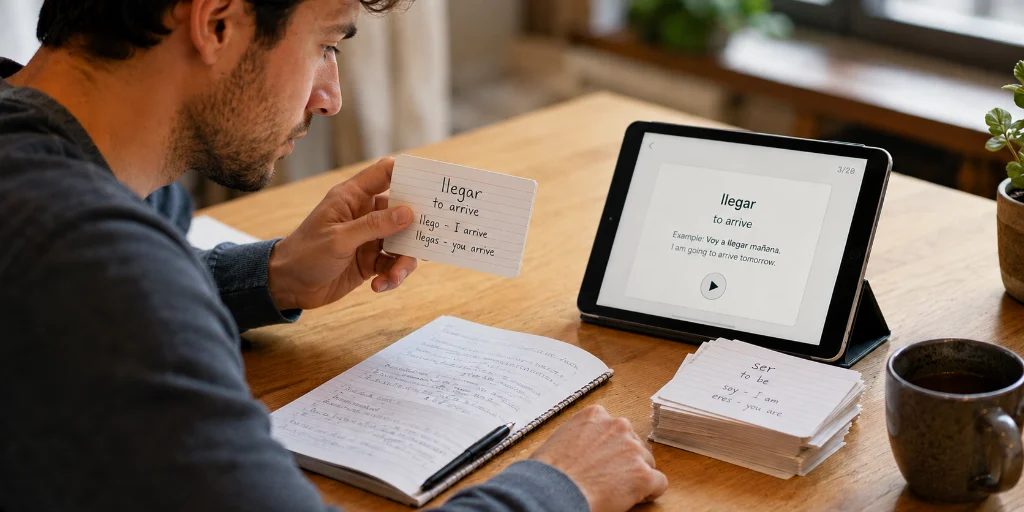
Digital vs Paper Flashcards: Which Works Better for Language Learning?
A practical comparison of digital and paper flashcards, including recall, pronunciation, review management, and a useful hybrid method.
Articles on vocabulary, memory, and effective language learning.
A practical comparison of digital and paper flashcards, including recall, pronunciation, review management, and a useful hybrid method.
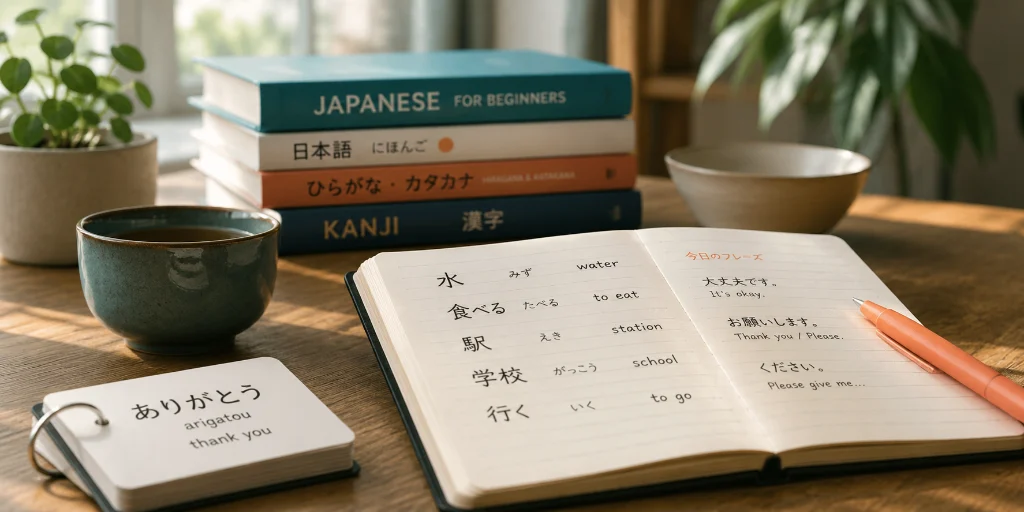
A practical beginner method for learning Japanese vocabulary through useful words, kana, kanji, audio, focused review, and active recall.
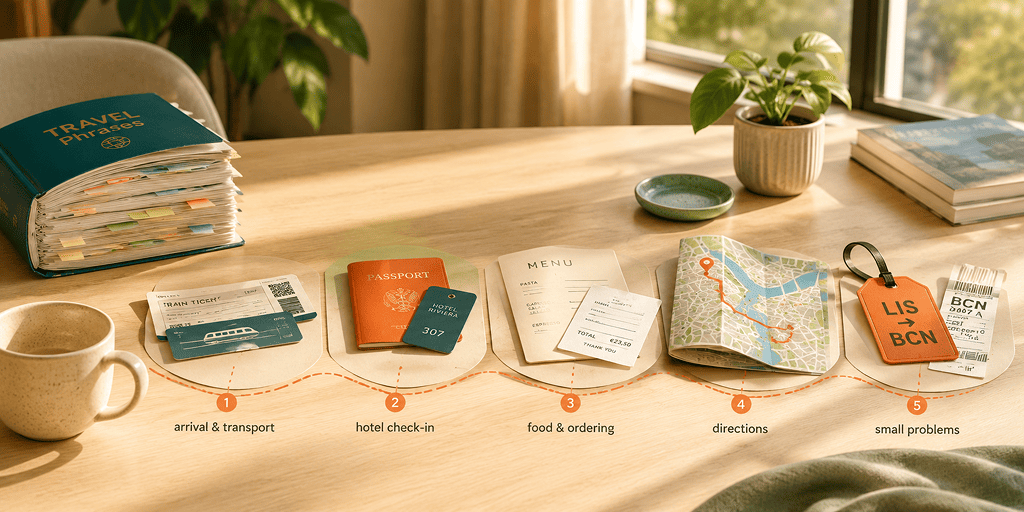
Learn travel vocabulary without memorizing a whole phrasebook. Build small situation-based decks for airports, hotels, food, directions and common problems.

Mental translation slows speaking down because it turns every sentence into a word-by-word puzzle. How reverse practice, useful chunks, audio and short speaking drills help words come out more directly.

Your first 200 words decide whether a new language starts to feel real or just exhausting. A calm pace, review before new words, and the right first words make the difference.

You can understand a word and still fail to say it when you need it. Why recognition and recall are different skills, and how to practice vocabulary in both directions so words work for reading and for speaking.

Ten new words a day, twenty, thirty? Here is what each pace really costs in reviews, how to pick the one you can keep on a bad week, and when to change it.

Learning vocabulary is not just collecting words for a trip or a job interview. Done regularly, it is steady mental work: noticing meaning, pulling words out of memory and choosing the right one. Here is what that practice exercises, how it can make your speech clearer, and how to build the habit without overload.

The forgetting curve explains why new words vanish if you never come back to them. It does not explain why a word you review faithfully still fails you in conversation. That part needs varied practice.
You're up to date. New stories will appear here soon.
We couldn't load more posts. Please try again in a moment.