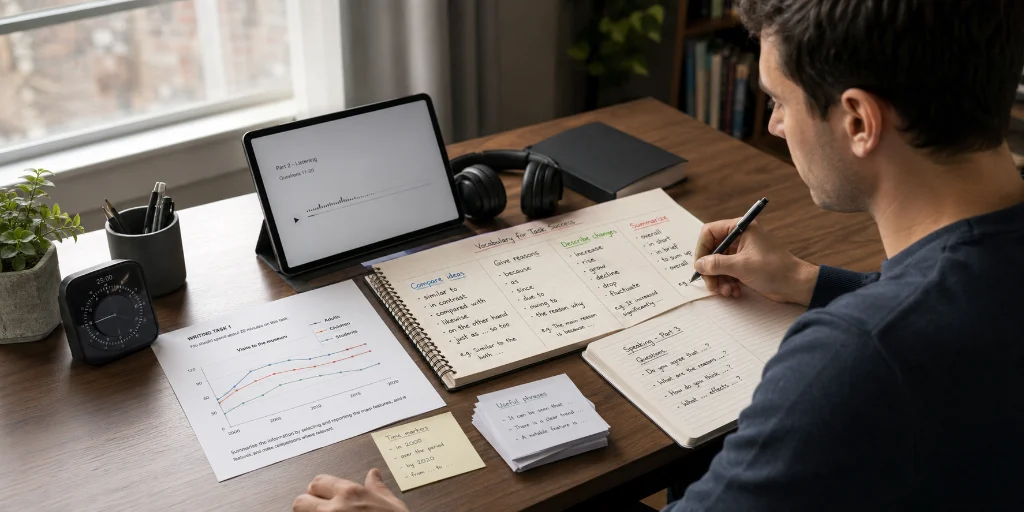
How to Prepare Vocabulary for a Language Exam
Learn how to build a focused exam vocabulary plan for reading, listening, writing and speaking without memorizing endless word lists.
Articles on vocabulary, memory, and effective language learning.
Learn how to build a focused exam vocabulary plan for reading, listening, writing and speaking without memorizing endless word lists.
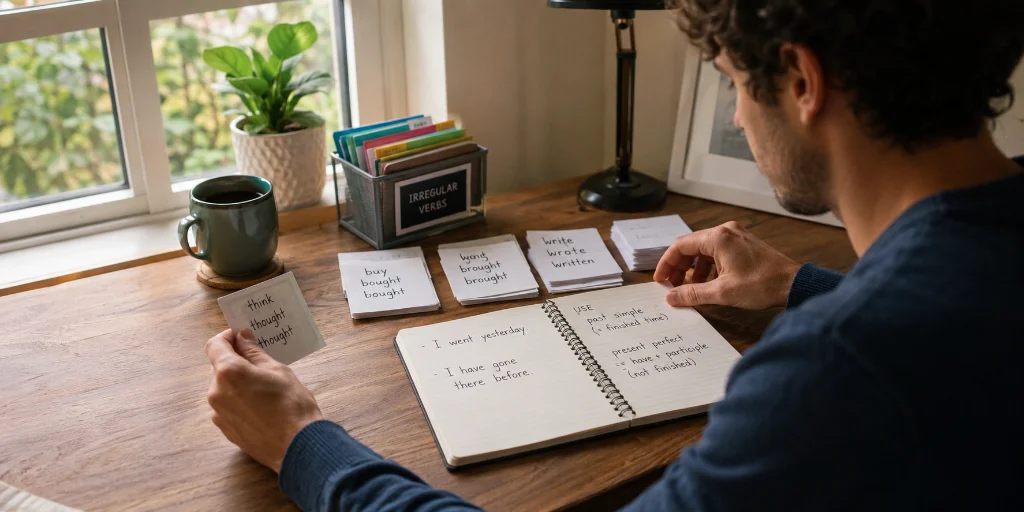
Learn irregular verbs in small pattern groups, practice them in context, and build reliable recall without memorizing an endless table.
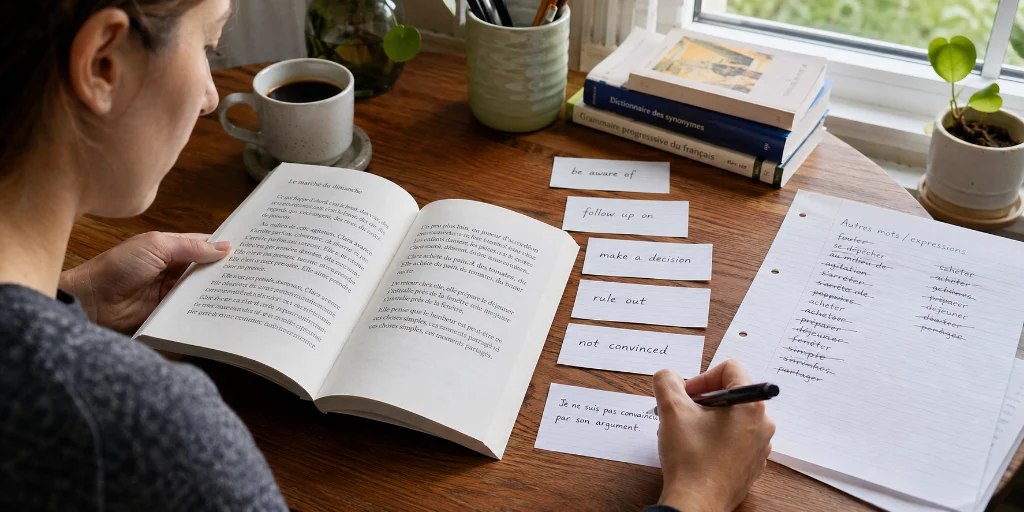
Learn how to choose useful words from books and articles, create better cards, and keep your vocabulary review load manageable.
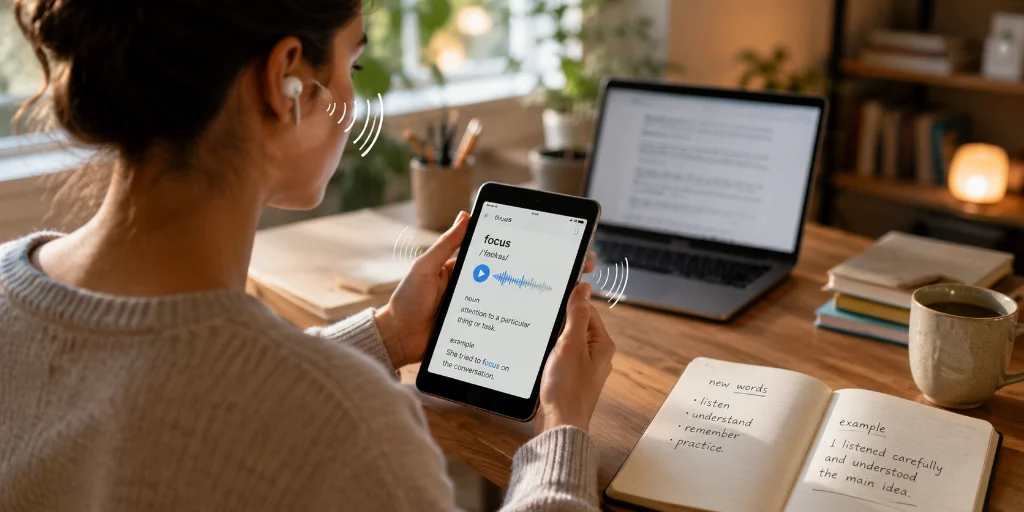
Learn how vocabulary practice can improve listening comprehension by strengthening sound recognition, context, and review speed.

Compare premade decks and custom flashcards, understand where each works best, and build a practical hybrid vocabulary system.
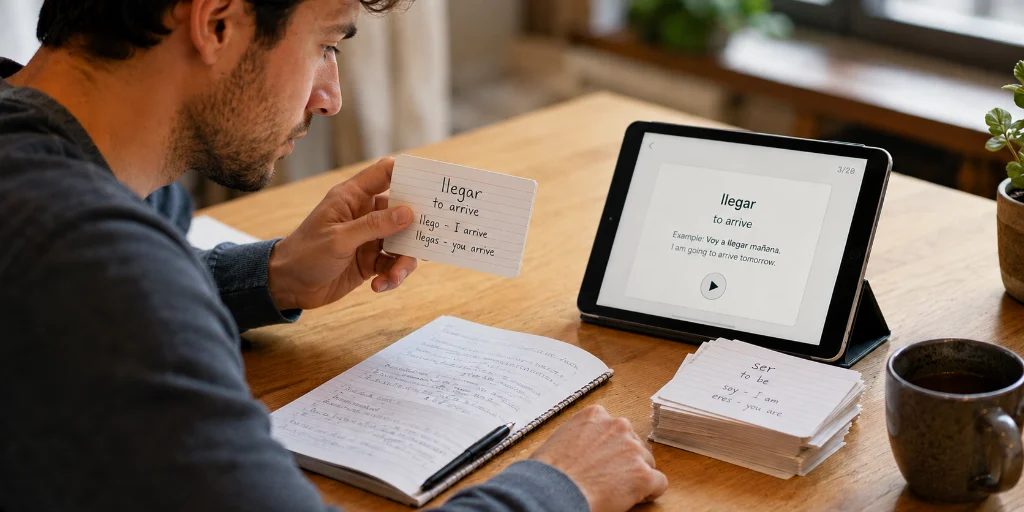
A practical comparison of digital and paper flashcards, including recall, pronunciation, review management, and a useful hybrid method.
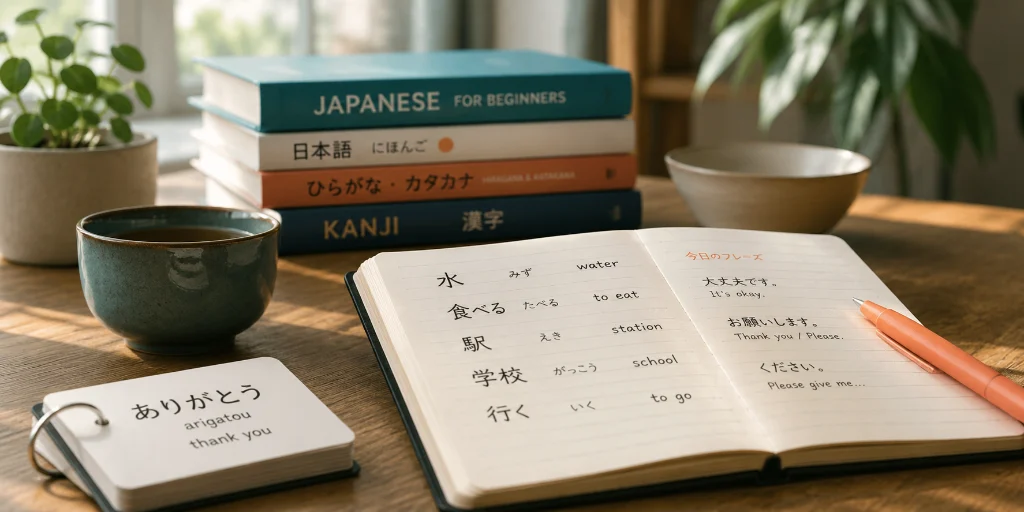
A practical beginner method for learning Japanese vocabulary through useful words, kana, kanji, audio, focused review, and active recall.
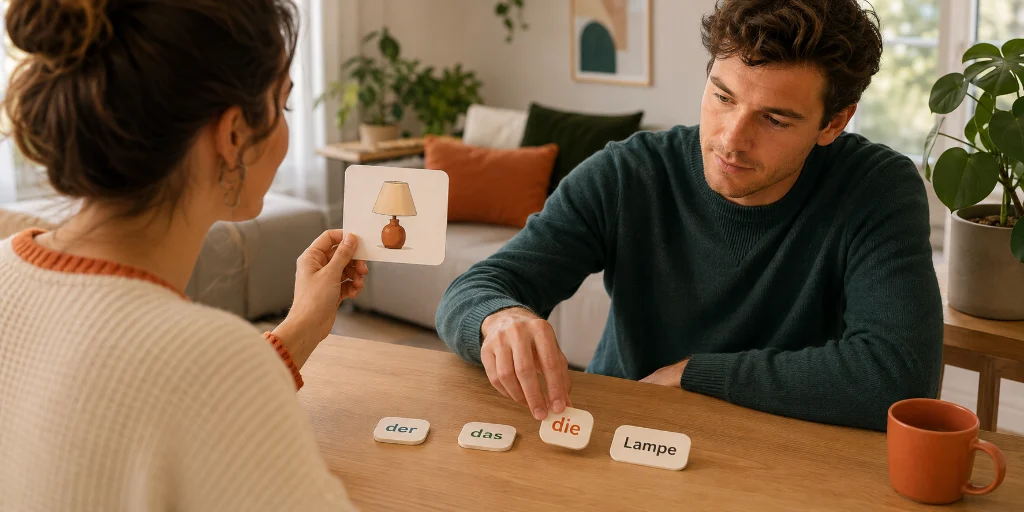
Learn a practical flashcard method for remembering German noun gender by storing the article with the noun and practising active recall in both directions.

Learn workplace English vocabulary in the right order: portable work phrases first, then meetings, emails and small talk, then the terms of your own role. A practical system instead of random business word lists.
You're up to date. New stories will appear here soon.
We couldn't load more posts. Please try again in a moment.